



March 27, 2024
Six famous and lost Sobiesky castles in the Lviv region
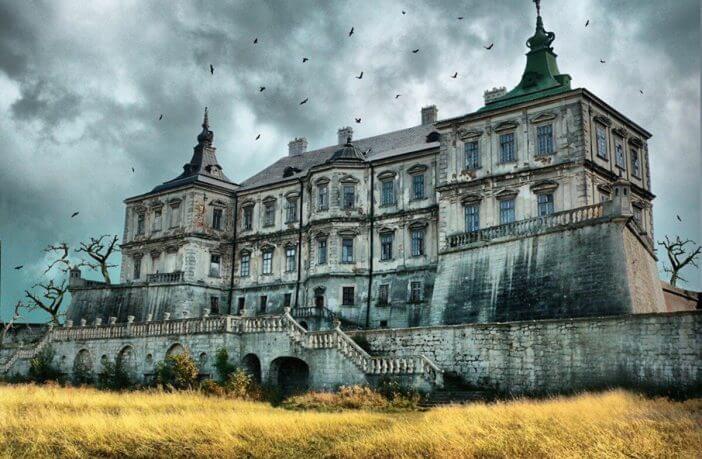
The family that gave the Polish-Lithuanian Commonwealth almost the last king whose power was still royal.
The family that left us some of the best and most famous examples of castle architecture in western Ukraine.
Some of them are pleasing to the eye and fascinating, while the appearance of others "for Sobieski" can only be guessed.
1. Olesky Castle
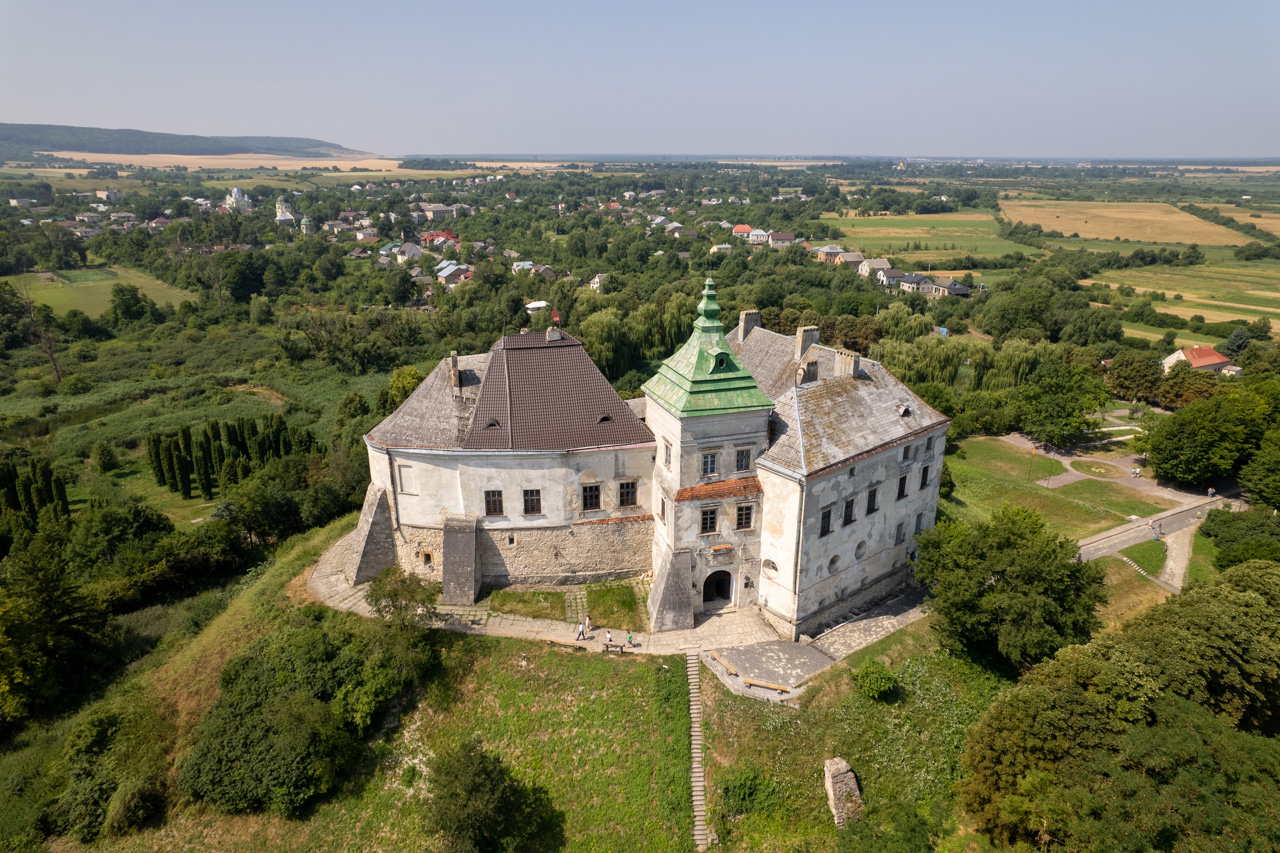
Karpatium's photo
It was here in 1629 that the future king Jan III Sobieski was born. The castle belonged to his grandfather Ivan Danylovych, under whom it acquired its modern appearance. It is interesting that the Olesky Castle was inherited by Jan III's aunt, not his mother. However, it was the king in the early 80s of the 17th century. paid off the debts for the castle and took it into his hands. At that time, the Olesky castle was repaired. Later, it was inherited by the son of John III - Yakub.
Olesky Castle is one of the Seven Wonders of Ukraine. It was first mentioned in the 14th century. In the second half of the 15th century the castle ceased to be a defensive point, it was used as a residence. Since the 70s of the last century, Olesky Castle has been restored, which is why its condition is satisfactory.
A branch of the Lviv Art Gallery is located here. In particular, it is here that there is a valuable collection of wooden sculptures by Johann Georg Pinzel.
2. Pidhoretsky Castle

photo pidhirtsicastle.org
The black marble table on which the future king was baptized was located in this castle. It was built by the king's father, Yakub Sobeskyi, in the 1730s and 1740s. on the site of older fortifications. The castle was both a fortress and a place to live. Pidhoretsky Castle was presented to Jan III, who carried out its thorough restoration.
Since 2008, it has been one of the 100 monuments of the world in need of immediate restoration, it has a square shape and a facade on which the "French footprint" is clearly visible.
Behind the long avenue near the castle is the Church of the Exaltation of the 18th century.
Near the castle there is a former inn-inn of the 18th century. with a sundial on the wall. It is said that Honoré de Balzac once stayed here.
Now the Pidhoretsky Castle belongs to the Lviv Art Gallery. Restoration works are being carried out here.
3. Zolochiv castle
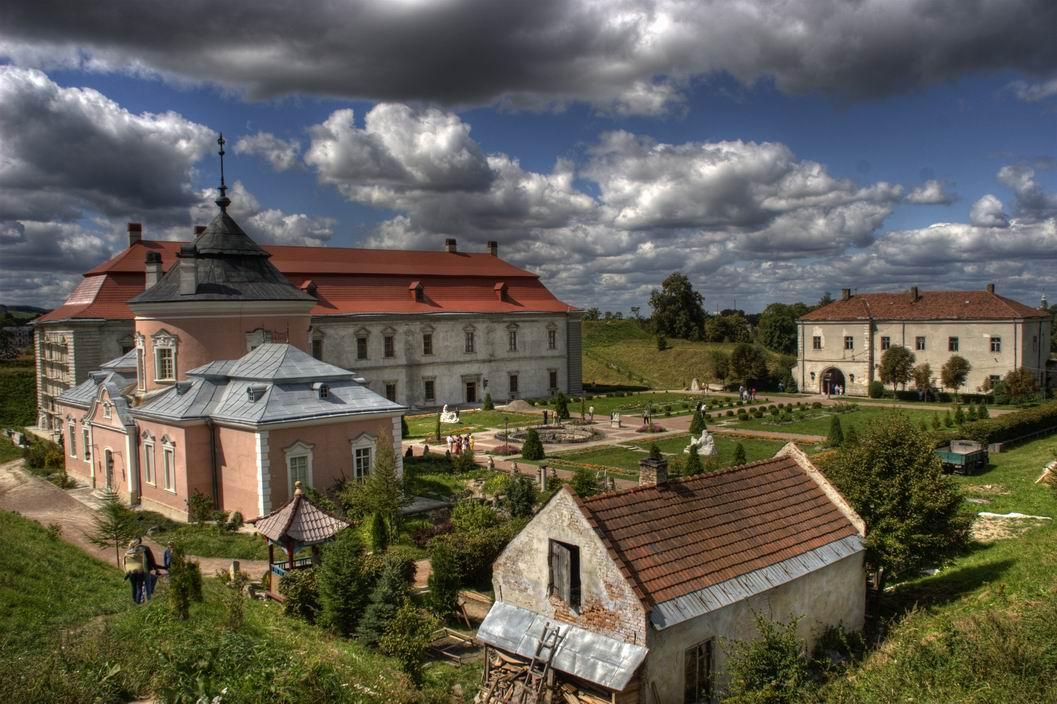
photo Zolochiv Vechirnii
It was built on the site of an old wooden castle by the king's father, Yakub Sobieski. It is well restored and has survived to our time:
- A large residential palace. The most interesting thing is that not only the heating system was installed here, but also the first sewage system. It consisted of six toilets that have survived to this day. Sewerage worked as follows: water from the roof flowed to the toilets through gutters, and then the sewage was carried away by sewage into the cesspool.
- Chinese palace. Built by Jan III for his beloved wife Marisenka. That's what he called her, instead, her full name was Maria Casimir Louise de Lagrange Arcen. Marisenka is a French woman who gave birth to the king fourteen children. She often visited Zolochiv in the 1790s.
Again, the department of the Borys Hryhorovych Voznytsky Lviv National Art Gallery is located here.
4. Zhovkiv castle

photo v-mandry.com
Zhovki Castle was the residence of Jan III. It is during this period that it is most flourishing. Here, too, Jan III sought to please his queen, which is why he laid out a park to the southwest of the castle with a fountain in the center, a platform with two bath pavilions was placed over the pond outside the park, and a fountain was built between them.
The castle was built on the border of the 16th and 17th centuries. The palace was located in its southwestern part. From the end of the 18th century. the decline of Zhovkiv castle began. Even now, its condition is deplorable (at the beginning of the 21st century, there were inhabited apartments here). Currently available for review:
- inner courtyard;
- museum in the eastern tower of the castle.
The rest of the buildings are under restoration.
5. Yavoriv Castle
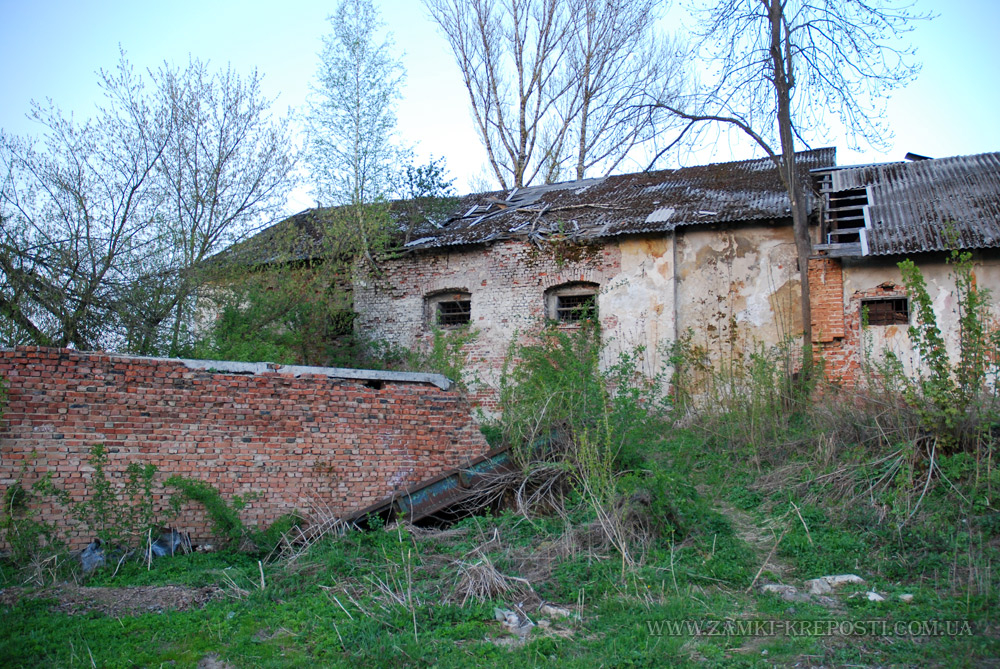
photo zamki-kreposti.com.ua
It so happened that the most beloved castles of the king are now in the most miserable condition, or do not exist at all. Such is Yavoriv Castle, of which only:
- one pavilion. Several such pavilions were built especially for guests who came to Yavorov in 1684 to celebrate the Viennese victory of John III. The preserved pavilion is popularly called "Sobieski Castle";
- one of the treasuries, or rather the entrance to its dungeons.
These buildings are located on the territory of the military unit, which limits access to them.
Information about the castle dates back to the 15th century. During the reign of John III, it was fortified with a bastion and a moat with water. The castle was small with a two-story residential wooden house, separate buildings were the kitchen, as well as the bathhouse with fountains. For some time, a royal mint even worked here, and an Italian park flourished under John III. From the middle of the 18th century. the castle began to fall into disrepair.
6. Pomeranian Castle
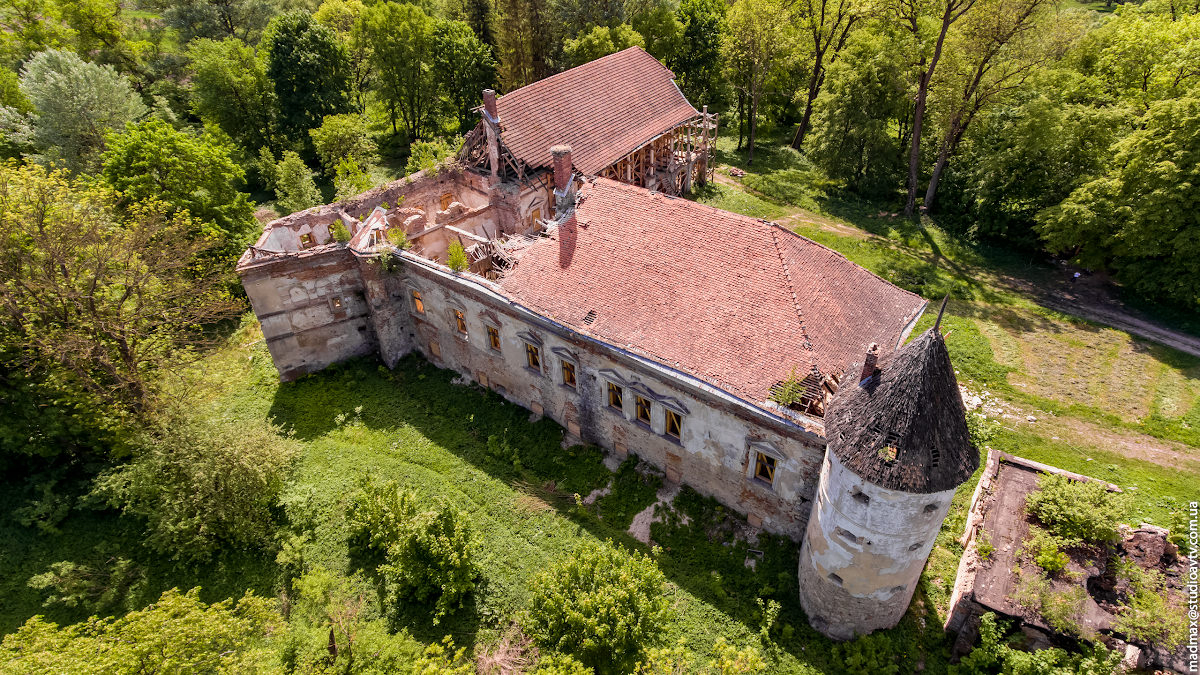
The castle was bought by John III's father, who turned it into a fortified fortress. Jan III himself rebuilt the castle twice after Turkish-Tatar attacks. When the Pomeranian Castle was inherited by Sobieski's children, its decline began.
After the First World War, the castle was renovated by the Potocki. Despite the fact that the Pomeranian Castle was in excellent condition at the time, during the Second World War, and later, it was heavily destroyed. Now he is in a very bad condition. Preserved:
- two two-story buildings;
- round corner tower;
- the southern building with an open gallery (dates from the 18th - 19th centuries).
source: https://lviv1256.com/
Share
